Attic Insulation and Roof Ventilation in Cork
Stopping Condensation in 1970s Bungalows and Coastal Homes
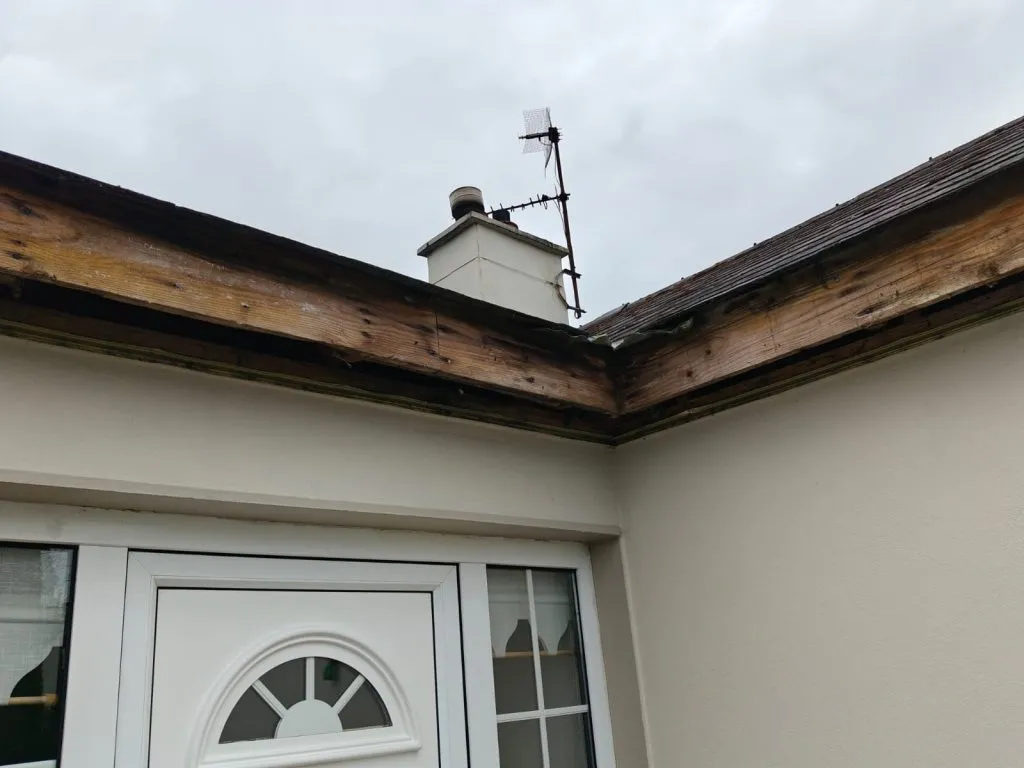

Stopping Condensation in 1970s Bungalows and Coastal Homes
Cork sits under one of the mildest, dampest microclimates in Ireland. Met Éireann data for Cork Airport shows around 1,200mm of annual rainfall and average relative humidity above 85% for most of the year, noticeably wetter than the east coast. Winters rarely drop hard below freezing, so Cork does not get the deep freeze that dries attic timbers out in colder counties.
That mildness is the problem. In a Donegal or Cavan attic, sub-zero nights lock moisture out. In a Cork attic, the air is warmer, wetter, and constantly moving in and out through gaps in the ceiling below. When that vapour hits the cold underside of the slates or the bitumen felt, it condenses. On a still, damp February morning in Rochestown, we have measured significant water accumulation per square metre of felt underlay in an unventilated attic.
Add salt-laden air on coastal homes in Myrtleville, Fountainstown or Church Bay and you also get accelerated corrosion of clip nails and staple fixings. Condensation is not just a mould problem: it shortens the life of the whole roof structure.
The classic Cork bungalow, dormer or single-storey, cut-roof construction, concrete tile or natural slate cover, 1F bitumen felt underlay, was designed to breathe through gaps. Draughty soffits, open eaves, an uninsulated attic floor and a warm chimney kept air moving.
Then SEAI grants came along. Homeowners in Douglas, Bishopstown and Glanmire quite rightly took the attic insulation grant and put down 300mm of quilt. The attic floor went from lukewarm to Arctic. The old bitumen felt, which is essentially waterproof and vapour-tight, now had cold, damp air sitting against it around the clock.
We have inspected roofs in Rochestown where the felt is holding water and dripping onto the new insulation, which then wicks moisture up into the ceiling plasterboard. The insulation gets blamed, but the real culprit is the sealed, unventilated void above it. If your ceiling is showing brown stains after insulation was fitted, this is almost always what has happened, and it is fixable. See our guide to roof repairs in Cork for how we approach it.
Irish building regulations (TGD Part F) require a minimum 25mm continuous ventilation gap at the eaves for cold roofs, plus a 5mm high-level opening at the ridge for pitched roofs over 15°. In practice, on a Cork bungalow, that translates to three components working together:
The old rule of thumb, "just cut a few holes in the soffit", does not work. Without a high-level exit, air cannot move. You need intake and exhaust, sized to the roof area. For a typical 120m² bungalow roof, a balanced spec is roughly 10,000mm² of continuous eaves ventilation and four tile vents per slope.
Insulation and ventilation are not opposites. Done right, they work together. SEAI's Better Energy Homes scheme offers grants for attic insulation on eligible properties: confirm current rates directly at seai.ie/grants. Ventilation works are not grant-funded, but the cost is modest compared to the damage prevented. Here is the sequence that keeps the grant intact and stops the condensation:
For more on SEAI retrofit options, see our overview of SEAI retrofit grants in 2026.
The pricing below covers work that sits within the scope of a targeted roof repair or related roofing job. All figures are indicative 2026 ranges; VAT at 13.5% applies on top. The actual cost depends on roof area, pitch, access and the extent of any existing damage. We provide a free, no-obligation written quote after a site visit.
Indicative 2026 price range, Cork, in euro. VAT at 13.5% applies on top.
Ventilation retrofit work (soffit vents, tile vents, dry-ridge systems) is priced after a site inspection, as it varies significantly with eaves detail, tile type and access. We will confirm rates on site and will not quote blind.
Homes in Myrtleville, Fountainstown, Ringaskiddy and out towards Kinsale need a slightly different specification. Salt air corrodes standard galvanised fixings within five to seven years on exposed elevations. We specify A4 stainless clips and stainless mesh on vents to stop insects while resisting salt corrosion. Wind-driven rain from the south-west also means ridge vents need proper baffles: cheap open-ridge systems will let water in during an Atlantic gale.
If you are on the coast, a generic ventilation specification designed for an inland estate will not last. The materials list matters as much as the labour.
Check the attic on a cold, damp morning and look for:
Any two of these and you need ventilation work, not more insulation. Our residential roofing service page covers the full scope, and the gallery shows recent Cork jobs where we corrected exactly this issue.
Sometimes the felt is too far gone, or the timbers show early rot at the wall plate. At that point, a strip and re-roof with breathable underlay, proper eaves ventilation and a dry ridge is the sensible option. It is more expense up front, but it resets the roof for another 40 years. We see this regularly on 1970s Rochestown and Bishopstown bungalows where the original felt has become brittle and cracked.
On the question of battens, see our dedicated guide to roof batten installation in Cork. For a broader cost picture, the Cork roof repair costs guide for 2026 and the new roof cost guide for Cork set out what to expect at each level of work.
If the problem has moved beyond Cork, we cover the same ventilation and condensation issues in Limerick, Galway and Dublin. See our guides for roof replacement in Limerick, re-roofing in Galway and new roof costs in Dublin.
Repair work, including ventilation retrofits and condensation-related leak repairs, carries a written guarantee of a minimum of three years, up to ten years on major repair work. If the job involves a full roof replacement, it carries a ten-year guarantee and the Lifetime Leak Guarantee as standard. The guarantee is handed over in writing before contracts are signed, and it is automatic: you do not have to ask for it.
We employ our crews directly and do not subcontract. The people on your roof are our people. See what Cork and Dublin homeowners say on our reviews page.
“For our Sunday's Well home I needed a last-minute replacement of leaking roof at the rear of a three-storey house. Recommended Roofing provided a prompt, fair estimate and — despite the wet weather — had a scaffold tower in place and the job finished in one day. The installers (David and one colleague) were efficient, courteous, and helpful throughout, and they left the site tidy, removing all waste. Very pleased with the quick response, the team, and the quality of the work. Highly recommended.”Andy Byrne, Sunday's Well, Cork, ★★★★★ on Google
To arrange a free site visit anywhere in Cork city or county, contact the Cork team online or call 021 2040925. We will tell you plainly whether the fix is a ventilation retrofit, a targeted repair or a full re-roof, and we will not sell you what you do not need.
Not by itself, but adding insulation to an attic with no ventilation almost always triggers condensation within one heating season. The insulation makes the roof space colder, and warm moist air from the house condenses on the cold felt. Fitting soffit and ridge or tile vents at the same time prevents the problem.
Roof leak repairs, including condensation-related water ingress, run from €400 to €2,500 as an indicative 2026 range, depending on the cause and extent of damage. Ventilation retrofit costs are confirmed after a free site visit, as they vary with eaves detail, tile type and access. VAT at 13.5% applies on top.
No. SEAI's Better Energy Homes scheme funds attic insulation but not ventilation works. Check current grant rates at seai.ie/grants. The ventilation cost is a separate homeowner spend, but it protects both the insulation and the roof structure.
Push-in round vents in a soft PVC soffit are manageable for a competent DIYer, but retrofitting continuous strip vents on a tight eaves detail is a job for a roofer. You need to avoid damaging the wall plate and ensure the airway is not blocked by insulation. Miscut soffits can also void some roof warranties.
No. Breathable membranes help, but Irish building regulations (TGD Part F) still require eaves and high-level ventilation on cold-roof construction. The membrane is a supporting layer, not a substitute for airflow.
Most ventilation retrofit jobs on a standard Cork bungalow are completed within a few days. The exact duration depends on access, the condition of the existing soffits, and whether tile or ridge vent work is included.
Look for water droplets on the underside of the felt, black mould around the eaves or on rafter ends, damp matted insulation, rust on nail points through the felt, a musty smell at the hatch, or ceiling stains below the eaves line. Any two of these warrant a ventilation inspection.
Yes. Homes in Myrtleville, Fountainstown, Ringaskiddy and along the Kinsale coast need A4 stainless clips and stainless mesh on vents because salt air corrodes standard galvanised fixings within five to seven years on exposed elevations. Ridge vents also need proper baffles to handle south-westerly wind-driven rain.
When the felt is too far gone to hold, or when timbers show rot at the wall plate, a strip and re-roof with breathable underlay, proper eaves ventilation and a dry ridge becomes the more cost-effective long-term option. We will tell you honestly which applies after a site inspection.
Repair work carries a written guarantee of a minimum of three years, up to ten years on major repair work. A full roof replacement carries a ten-year guarantee and the Lifetime Leak Guarantee. The guarantee is written and handed over before contracts are signed.
Yes. A site visit and written quote for work we could carry out is always free and no-obligation. We go into the attic, take a look at the eaves, and give you a written breakdown before any commitment.
No. We employ our own crews directly. The people on your roof are Recommended Roofing employees, not subcontractors. That is how we stand over every job with a written guarantee.
Nearby areas we cover
Roof Repairs in Cork, Ireland. Free survey, written fixed-price quote, 10-year guarantee.